

Alyse Dietel
Environmental Wildlife Artist
My path to art has been winding, but has always been connected to the natural world. In September of 2011 I fell off a cliff while hiking and broke my spine and pelvis, among other injuries. I was paralyzed from the waist down for a year, a devastating situation for someone who loves to rock climb and hike. In the year my recovery took I taught myself to draw, playing around with several mediums before landing on pens and watercolor. I developed a passion for art and its ability to transport me to the mountains that were out of my reach. After re-learning to walk I became a professional rock climber and made up for many lost adventures. But I found myself drawn more and more to the art world, and after two years I quit professional climbing and dropped out of college to become a self-taught artist. While this decision gave my mother many grey hairs at the time, it also gave me a voice in what I feel matters most- the protection and conservation of our natural world.
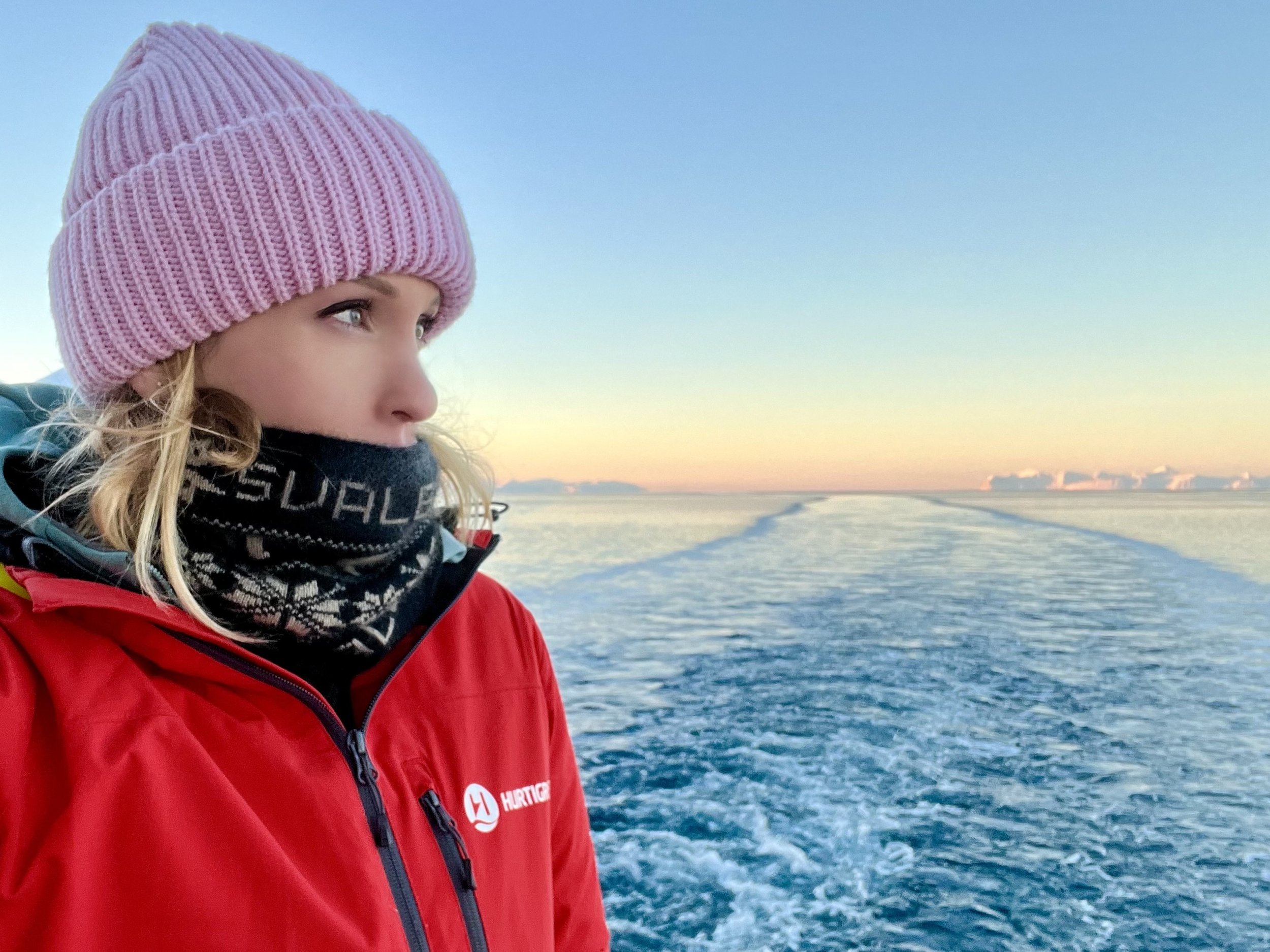
I have participated in artist residencies all over the world- from the cloud forests of Ecuador to the high Arctic of Svalbard. These residencies have all brought me closer to nature in some way, and many have steered the course of my artistic career. During my residency at the Spitsbergen Artists Center on Svalbard I got to witness firsthand the visible effects of climate change in the Arctic. Due to Arctic amplification the Arctic is warming four times faster than the rest of the planet, and on Svalbard you can watch fjords that used to freeze flow freely and polar bears move inland to search for food as their sea ice hunting grounds diminish. My artwork has always had an environmental bent, but the four winter months I spent on that Arctic archipelago made me reconsider the necessity and value of using art as a communication tool for environmental and natural science.
My focus is now on utilizing my work for science communication, and I blend scientific research with my artwork as well as essays that make the natural sciences accessible and emotionally impactful. Although I am primarily a visual artist, I have written scientific lectures and included essays in many exhibitions, such as my solo exhibition in the Whales of Iceland Museum in Reykjavík in 2024. My environmental artwork has been included in the 2023 National Climate Assessment in Washington, the 2024 Creative Climate Awards at The Human Impacts Institute in New York, and used in a presentation on sustainable futures by MIT at the White House.
Recently I find myself drawn to the polar regions and to the ocean, where the effects of climate change are the most devastating and detrimental. I hope to continue using art as a bridge for science communication, and as a tool for amplifying the voices of those who are working so tenaciously for the future of our nature world.